Türkçe / TR
 English / EN
 中国人 / ZH
 РУССКИЙ / RU
 عربى / AR
 Deutsch / DE
 Español / ES

The Most Enjoyable New Year's Eve Plans for Welcoming 2026 in Istanbul
Istanbul's Historical Inns and Bazaars
- 6 minute
- Places To Visit
Anyone who comes to Istanbul and tries to understand it realizes that this city is not just made up of streets, buildings, squares, and bridges. Every corner of Istanbul is like a living document. This is especially true for the inns (hans) and bazaars that have kept the pulse of trade for centuries. In this article, we will examine Istanbul's inns not merely as old structures, but as a stage of history, and together we will touch upon the city's unchanging rhythm from the past to the present.
Büyük Valide Han (Büyük Valide Inn)
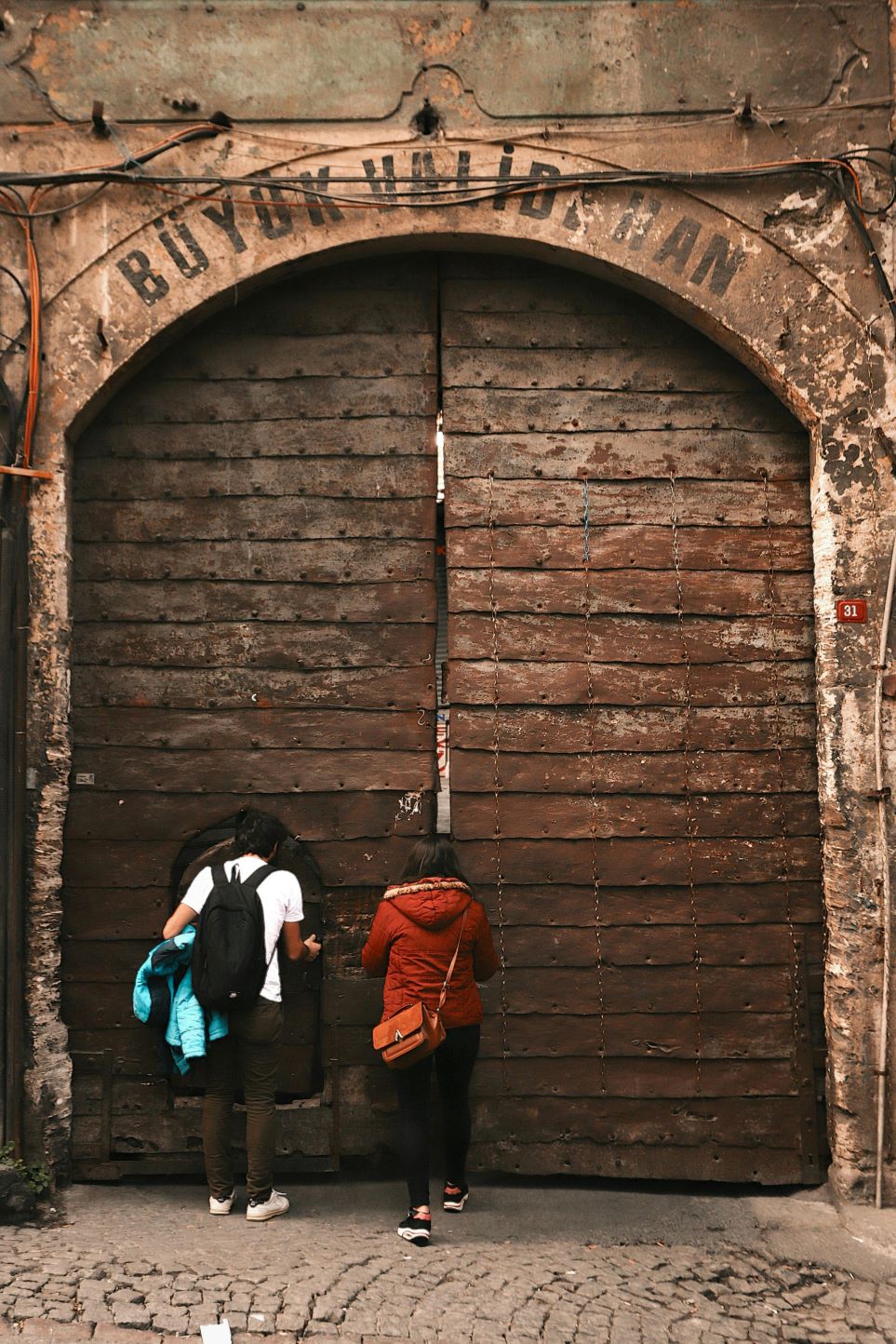
Let's start with Büyük Valide Han, located on the slopes of Süleymaniye, close to both the Grand Bazaar and the Golden Horn. Built in the mid-17th century by Kösem Sultan and named after her, Büyük Valide Han was one of Istanbul's largest and most layered inns. Established at a strategic point, the inn commanded the trade routes of the time and was responsible for the city's economic activity. Silk merchants from Iran used to stay here, and the goods of the tradesmen were stored here.
Today, when you walk through the inn, you encounter workshops, studios, and coppersmiths. The tradesmen's courtyard arrangement, which is no longer common everywhere, still exists here. It was once very popular to climb to the roof because of the beautiful view, but today, access is controlled for both security and building preservation purposes. Visiting Büyük Valide Han, a main stop on tourist photo routes, and drinking a tea in its authentic cafe is a unique experience to feel how Istanbul's 300-year-old trade life has survived.
Balkapanı Hanı (Balkapanı Inn)
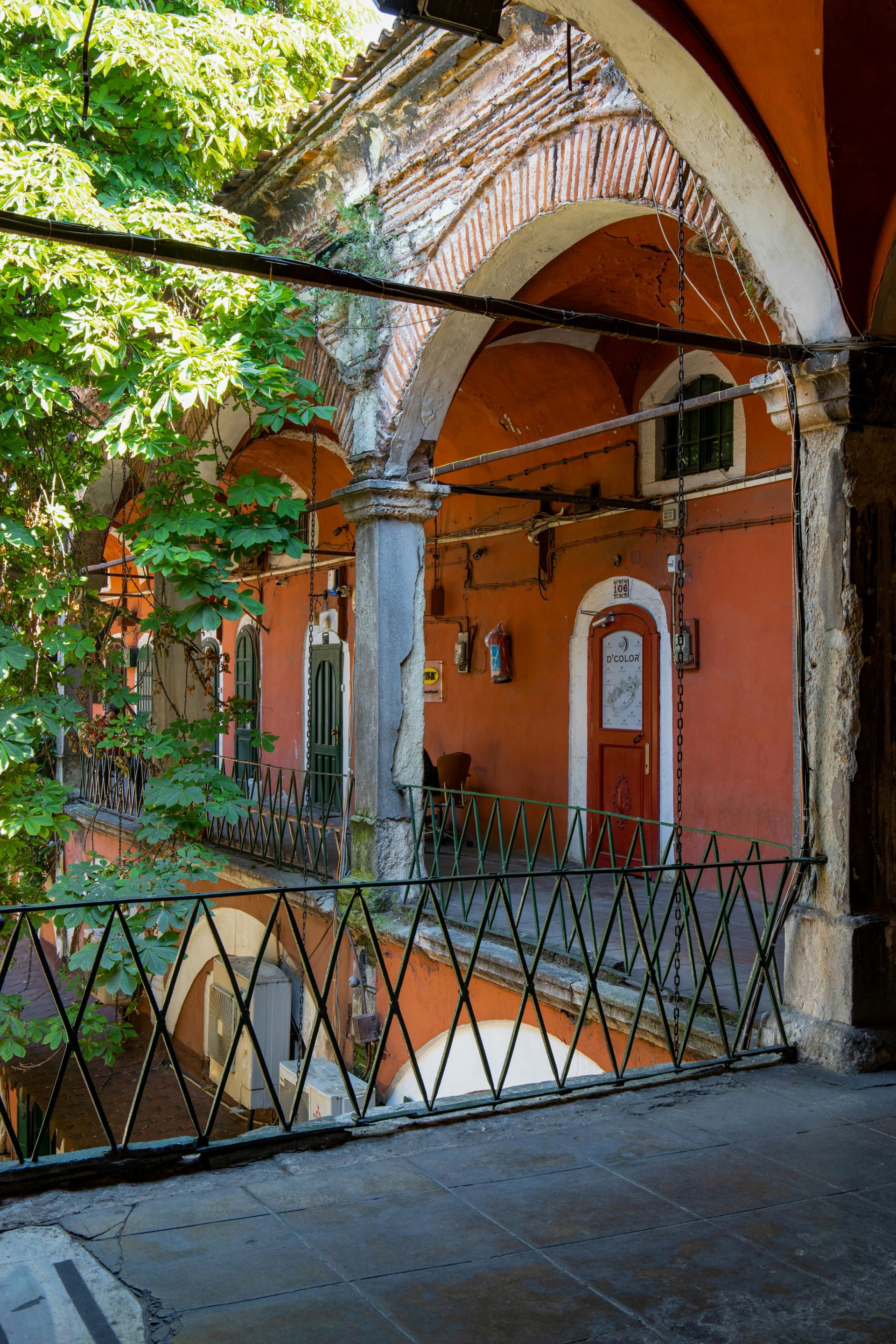
Eminönü was the only center in the Ottoman period where the honey and beeswax arriving in Istanbul were controlled and registered. Balkapanı Hanı (Honey Trap Inn), which takes its name directly from its historical function, was located in the narrow streets of Eminönü, just a few steps away from the New Mosque (Yeni Cami) and the Spice Bazaar (Mısır Çarşısı). Considering that honey was not just a food item in those days, but was also used in the pharmaceutical industry, candle making, and religious rituals, the economic role of Balkapanı Hanı was much larger than you might think.
Today, of course, there are no traces of the old honey trade system. Instead, its courtyard is filled with small workshops, restaurants, spice vendors, and artisans. Although it is not a glamorous structure, the fact that Eminönü's centuries-old commercial order is absorbed into its walls makes this place valuable.
Kuru Kahveci Han (Kuru Kahveci Inn)
We will now talk about an inn that can easily be overlooked despite its very busy location. Kuru Kahveci Han, the closest witness to Istanbul's relationship with coffee, continues to live on in the streets of Sirkeci like an open-air archive. In the years when coffee became widespread in the Ottoman Empire, coffee beans came from Yemen, were stored, sifted, roasted here, and distributed first to the palace and then to the city's coffee houses. The inn is located around Tahmis Street and Çiçek Pazarı, which are still dense with coffee vendors today, but it is unknown whether the strong smell of coffee comes from the surrounding shops or the scent of the past absorbed into its stone walls.
Büyük Yıldız Han (Büyük Yıldız Inn)
In the relatively calmer back streets of the Grand Bazaar, you can see Büyük Yıldız Han with its shaded courtyard and simple architecture. Büyük Yıldız Han is one of the inns where active trade has continued uninterrupted since the 19th century. Although it is not as prominent as the visible shop window of the Grand Bazaar, it is a very important part of the production culture. Today, the scene you encounter when you enter Büyük Yıldız Han is quite clear: small workshops, fabric wholesalers, jewelry designers, and masters who have worked in the same shop for years. It is certainly not a tourist stop, but if you want to see the background of Istanbul's bazaar culture, you should definitely pay a visit here.
Zincirli Han (Zincirli Inn)
Zincirli Han is one of the oldest and most functional inns in the Grand Bazaar. Named after the heavy chains used on its door, the inn was once the main center where jewelers' valuables were stored. But that's not all; the two floors of the inn, which are directly connected to the Grand Bazaar's jewelry tradition, were completely dedicated to workshops, studios, and warehouses. Masters produced here, merchants stored their goods here, and the movement of the trade network often passed through Zincirli Han.
Today, Zincirli Han is still an active business center. The production line mentioned still continues here, this is why it is not considered a very touristy place. However, it is an important stop for seeing the craftsmanship processes behind the Grand Bazaar's glittering shop windows.
Rokoko Han (Rokoko Inn)
The Art Nouveau legacy of Rokoko Han in Beyoğlu is one of the most elegant witnesses to the city's commercial and cultural history. Located on İstiklal Avenue, the structure was built towards the end of the 19th century, a period when Istanbul was opening up to the West and architectural splendor peaked in Pera. It takes its name from a strong reference to Art Nouveau, the popular art movement of the time. Rokoko Han, with its elegant and fluid lines, lavish facade decorations, and high ceilings, once hosted the offices of Levantine and Greek merchants.
Today, commercial life continues with boutiques, design studios, and offices. Rokoko Han continues to preserve the elegant culture of commerce extending from the past to the present, and remains a quiet and impressive stop for those who want to witness the luxury and aesthetic understanding of the era amid the crowds of İstiklal Avenue.
Istanbul's Historical Bazaars
Kapalıçarşı (Grand Bazaar)
With a history dating back to the 1450s, the Grand Bazaar is one of the oldest and largest covered commercial complexes in the world. Its foundations date back to the end of the 1450s, during the reign of Sultan Mehmed the Conqueror. Established to revitalize the city's economy after the conquest of Istanbul, the Grand Bazaar gradually turned into a large bazaar complex. It became the heart of many trade products such as gold, carpets, spices, leather, and antiques.
Today, when you step into the Grand Bazaar, you can still see that multilayered structure. Although the tourist crowd is always dense, the routine of the shopkeepers who open their shutters every morning never changes. This should be the first stop for anyone who wants to understand Istanbul's trade culture.
Mısır Çarşısı (Spice Bazaar)
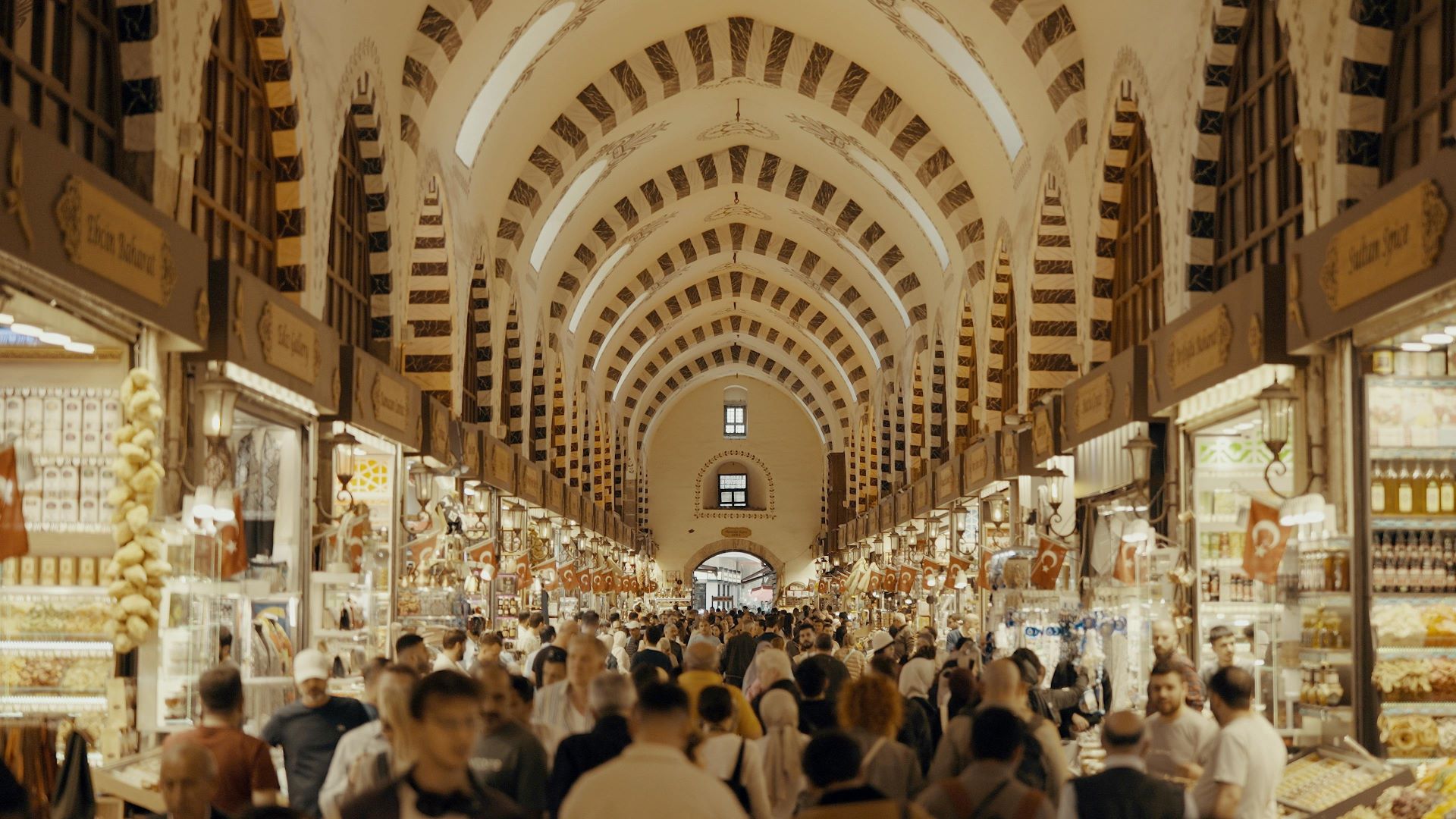
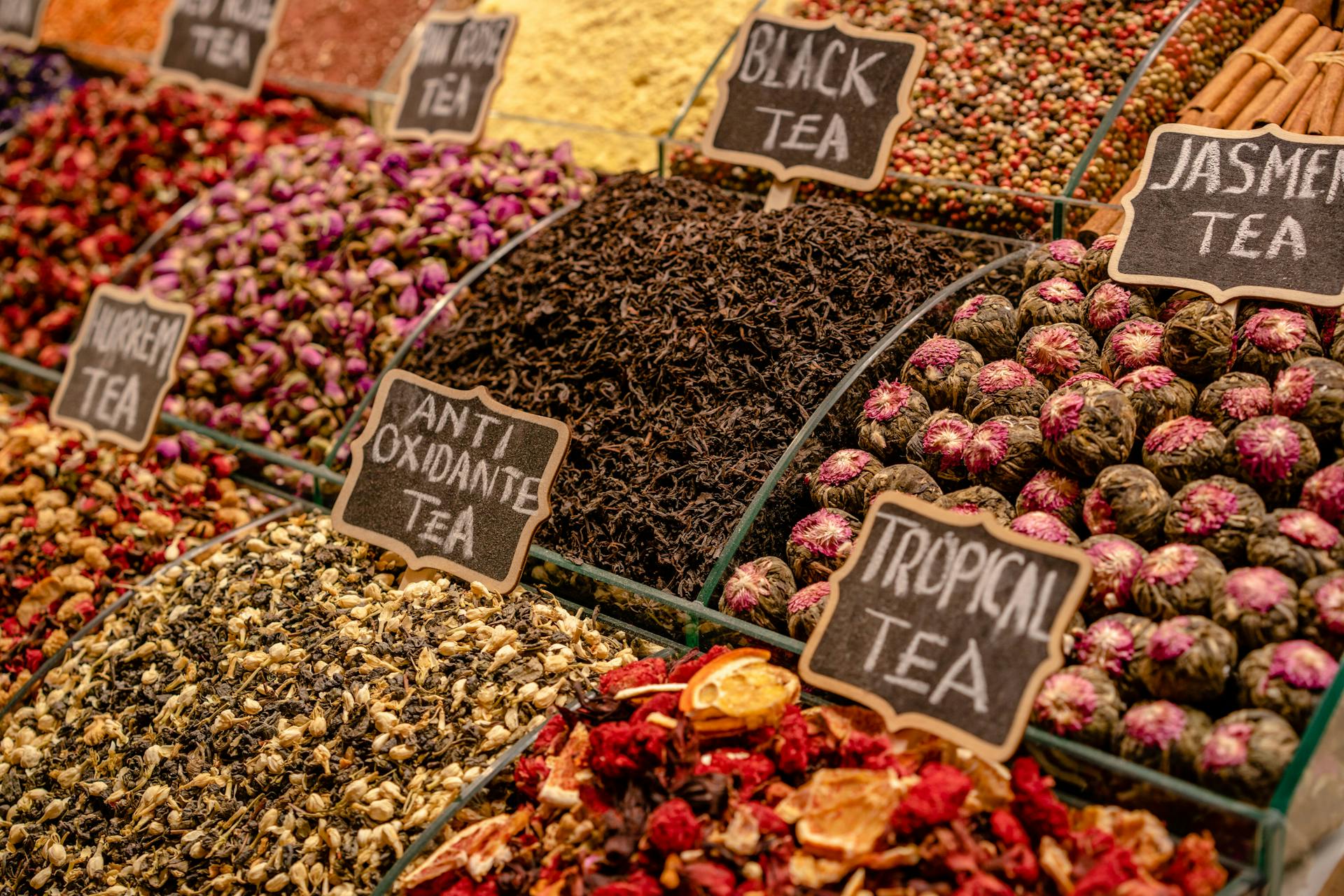
The first structure that comes to mind when talking about wonderful spice scents is undoubtedly the Spice Bazaar. Built as part of the New Mosque Complex (Yeni Cami Külliyesi) in the 1660s, the bazaar was the most strategic point for Ottoman trade in the East. Spices, medicinal herbs, and oils from India and Iran first reached Istanbul here. Yes, the Spice Bazaar is a very touristy place. However, it is still possible to find old shops, nut sellers, and Turkish delight makers who maintain the genuine herbalist culture here.
Arasta Çarşısı (Arasta Bazaar)
Arasta Bazaar, located just behind the Blue Mosque (Sultanahmet Camii), is one of the first addresses for handicrafts and traditional production. It has also been one of Istanbul's most organized and tidy tradesmen points since the Ottoman period.
In Arasta Bazaar, which is preferred for a calmer shopping experience away from the chaos of the Grand Bazaar, hand-woven carpets and kilims, textiles prepared with traditional motifs, silver craftsmanship, and colorful İznik tile samples draw attention. The bazaar, which is especially popular among tourists, also has small workshops where you can see traditional handicrafts such as miniature painting, calligraphy, and illumination. Arasta Bazaar is a very suitable stop for those who want to shop without getting lost in the crowd while wandering around the Historical Peninsula.
Sahaflar Çarşısı (Second-hand Booksellers' Bazaar)
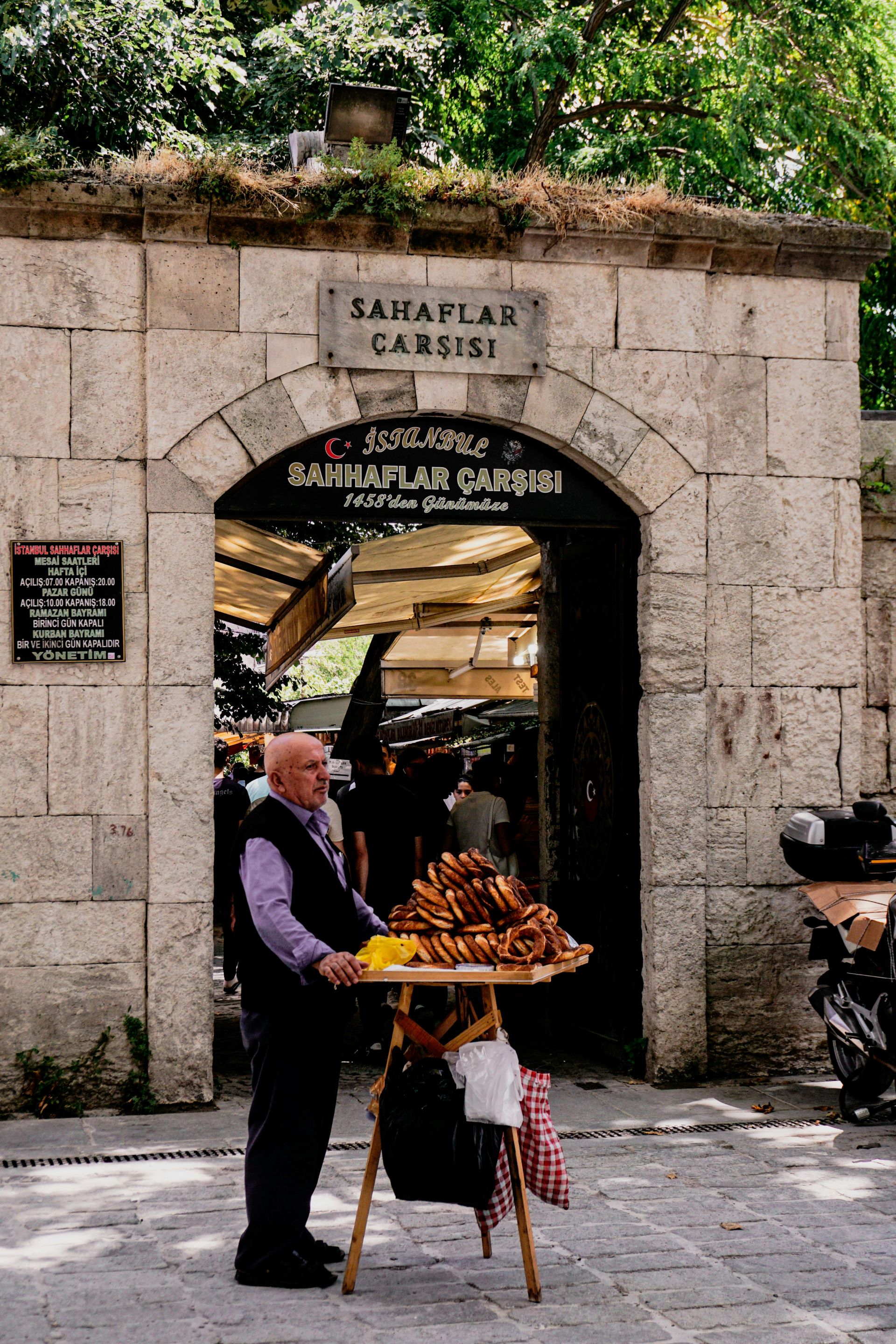
Sahaflar Çarşısı, formerly known as Hakkâklar Çarşısı, was an important element of Ottoman cultural life. In the 1890s, the second-hand book trade began to settle in the back areas of the Beyazıt Mosque and continued to grow. This bazaar, whose roots go back to the time of Fatih, was one of the places in the Ottoman Empire where books changed hands, old manuscripts were repaired, and the source of scholarly works was found. After a fire in 1950, it was rebuilt with reinforced concrete and entirely dedicated to book sales.
Today, in this historical atmosphere, it is possible to find a wide variety of publications, from Ottoman Turkish books to old engravings, collector's items, and textbooks. Most of the shop owners learned the profession of bookselling from their fathers or through a master-apprentice relationship; that is why Sahaflar Çarşısı is still a living cultural area.
Tahtakale (Tahtakale District)
Tahtakale, located in the streets of Eminönü intertwined with the port, is a very important commercial area where trade has continued uninterruptedly from the Ottoman period until today. Especially in the 17th and 18th centuries, Tahtakale formed the heart of both internal trade and port activity, and was one of the first distribution points for goods arriving in Istanbul. Just like today, items such as paper, hardware, spices, kitchen utensils, packaging materials, and small household appliances defined Tahtakale's commercial identity in those periods. You probably cannot feel this intensity of shopping activity anywhere else in modern Istanbul. That is why Tahtakale is an artisan district entirely focused on shopping, rather than a tourist place.
Tarihi Beyoğlu Balıkpazarı (Historical Beyoğlu Fish Market)
Balıkpazarı (Fish Market) is a small but very characteristic bazaar located in the back streets of İstiklal Avenue, adjacent to the Historical Çiçek Pasajı (Flower Passage). In the period when Pera's social life began to take shape, fishermen, delicatessens, offal sellers, and vendors selling fresh produce were side by side here. Especially during the years when the Greek and Levantine populations were dense, the area turned into a spot for dining out, shopping, and socializing. Today, the market is quite touristy and remains one of Beyoğlu's indispensable colors, with its pickle vendors, spice shops, butchers, greengrocers, and nut sellers.
Thermal Getaways within 2 Hours of Istanbul
The Palaces of Istanbul: From Topkapı to Beylerbeyi
The 10 Best Spots to Watch the Sunset on the Bosphorus
Day Trips from Istanbul: The 20 Most Popular Nature Routes