


 Türkçe / TR
 English / EN
 中国人 / ZH
 РУССКИЙ / RU
 Deutsch / DE
 Français / FR
 Español / ES

Best Breakfast Spots in Istanbul (2025 Guide)
Istanbul's Historical Patisseries and Dessert Stops
- 01 December 2025
- 5 minute
- Food & Beveragev
Istanbul's patisseries are sometimes not just places where sweets are displayed in the window, but very special venues that carry the soul of the neighborhoods and stories passed down through generations. The city's modernization processes, immigration stories, neighborhood transformations; patisseries are actually a part of all of them. Some are still open, some are no longer with us; but all the patisseries we are about to describe have witnessed, and continue to witness, a period of Istanbul's relationship with sweets.
İnci Pastanesi (İnci Patisserie) (Beyoğlu, 1944)
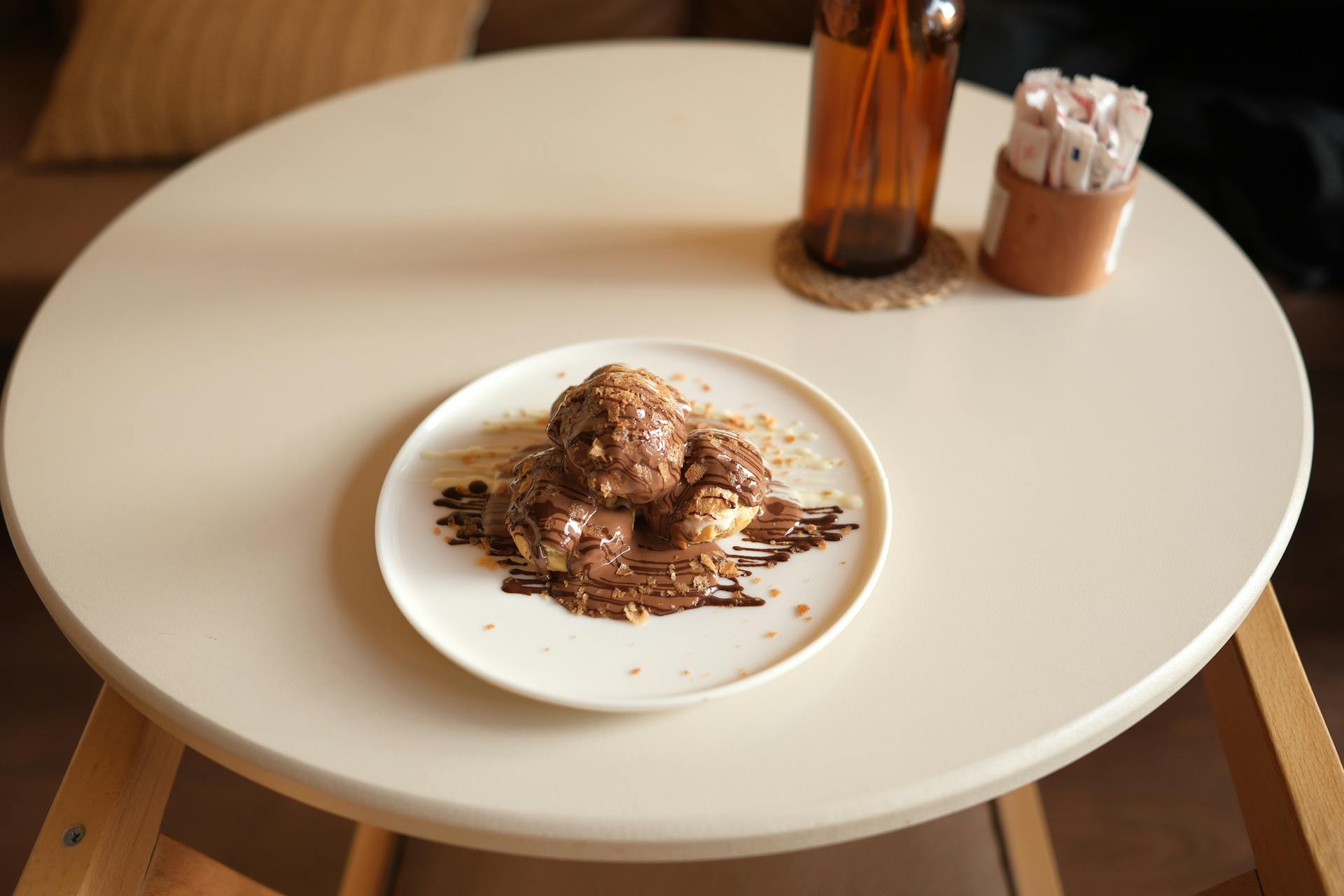
The story of the famous İnci Pastanesi begins with a young master who came to Istanbul due to wartime migration, blending into the Beyoğlu crowd and creating his own dessert recipe. Its founder, Luka Zigoridis, learned the language of cream and chocolate by working in various kitchens for years, then gathered all his courage and opened his small shop. In a short time, İnci Pastanesi, located in Beyoğlu, which was the center of cinemas and theaters then, became not just a confectionery, but a place where people stopped to socialize.
Of course, you remember İnci Pastanesi mostly for its profiteroles. This is no coincidence. The profiteroles, developed by Zigoridis after long trials, made with light choux pastry and rich chocolate sauce, spread by word of mouth in Beyoğlu. People established such a strong connection with these profiteroles that even the patisserie's relocation from its old spot could not sever this bond. İnci Pastanesi remains the most vivid example of how an ordinary-looking dessert can turn into a symbol in Istanbul.
Baylan Pastanesi (Baylan Patisserie) (Beyoğlu, 1923)
Here is another migration story and another symbolized sweet shop. Baylan Pastanesi, opened as a tiny patisserie in Beyoğlu during the first years of the Republic, quickly took its place among Istanbul's leading patisseries with both its craftsmanship and its Western-oriented pastry making. Although its founding was in Beyoğlu, the branch that truly made Baylan what it is, is the Kadıköy branch, born in 1961. Many people who grew up in Kadıköy ate their first cake here and held their first birthday celebration here.
But the most distinctive detail that inscribed it in gastronomy history is that the Kup Griye (Coupe Grillet), which they developed with their own interpretation, was born here. Kup Griye quickly became a symbol not only of Baylan but also of Istanbul. Yes, Baylan Pastanesi is living history. The city changes, shops close, new ones open, streets are renovated, but Baylan Pastanesi is still there, continuing its existence.
Tarihi Savoy Pastanesi (Historical Savoy Patisserie) (Beyoğlu, 1950)
Our story begins in Cihangir in the 1950s. In those years, Cihangir was a neighborhood settled by artists, journalists, and those seeking a quieter life close to Beyoğlu. Savoy opened its doors right in the middle of this urban neighborhood, on Sıraselviler Street, and quickly became a part of daily life. Cihangir is also a dynamic district, where new places frequently open and those that can't stay afloat close down. What sets Savoy apart is this very stability.
Even though it changed hands, it is one of the few places that has maintained the classic patisserie concept started by the first generation of masters, preserving original recipes without compromising its initial standard. Savoy's mille-feuille cakes, handmade wafers, and classic layer cakes are signature flavors that have been on the lips of its regulars for years. In recent years, it has announced its relevance in the new generation's breakfast culture with its simit toast breakfast. Thus, Savoy holds a small but very solid place in Istanbul's bigger story as a genuine neighborhood patisserie, right in the heart of Cihangir, adjacent to Taksim.

Patisserie De Pera (Beyoğlu, circa 1895)
Patisserie De Pera, which suddenly appears as you wander through the hilly streets of Beyoğlu, is one of the rare contemporary reflections of Istanbul's sweet connection with Europe. The French pastry culture, which began to settle in the streets of Beyoğlu in the 19th century, eventually became a part of the district's identity. Patisserie De Pera is one of the few places today where you can still feel that old Pera atmosphere.
With its small window display, old-fashioned porcelain plates, and simple decorations, the patisserie has a very calm atmosphere and many regulars. Especially those who miss and want to remember the old days of Beyoğlu frequently seek refuge at Patisserie De Pera.
Tarihi Kapalıçarşı Day Day Pastanesi (Historical Grand Bazaar Day Day Patisserie) (Grand Bazaar, 1969)
In the Grand Bazaar culture, which dates back to the Ottoman period, desserts, especially milk-based ones, have always held a special place. The key to surviving here is not only making good desserts but also being able to keep up with the unique rhythm of the bazaar. Just like Tarihi Day Day Pastanesi has done. Having become a breather for both the artisans and visitors of the bazaar since 1969, Day Day Pastanesi is one of the rare places that has survived without changing its recipes. Eating a plate of su muhallebisi (water pudding) or kazandibi (caramelized milk pudding) early in the day in the crowded Grand Bazaar is the continuation of the light dessert break maintained by the bazaar's shopkeepers for years.
Üstün Palmie Pastanesi (Üstün Palmie Patisserie) (Şişli, 1970)
The story of Üstün Palmie Pastanesi begins on the Kurtuluş/Feriköy line, one of Istanbul's multicultural districts. Fehmi Yıldıran, who came from Bolu in 1952 and learned the intricacies of the trade alongside master pastry chef Yorgı Fotiadis, took over the workshop after his master left the country and dedicated his life to preserving those traditional recipes. Years later, the story continued with the Üstün Palmie Patisserie in Kurtuluş.
Palmie, which is like the sweetened essence of Kurtuluş, a neighborhood where Greek, Armenian, and Turkish communities lived together and neighborhood solidarity was strong, is most notable for the buns (çörek) it makes during the Easter period. Palmie, which maintains its place in the local collective memory, continues to be one of the "unchanging sweet addresses" despite the neighborhood's changing face.

Beyaz Fırın (White Bakery) (Kadıköy, 1836)
We will now tell you a five-generation bakery and patisserie story extending from Kastoria to Istanbul. In the early 1800s, the Stoyanof family, who worked as bakers in Kastoria, Greece, came to Istanbul and opened a poğaça (savory pastry) bakery. This tiny shop in Balat gradually spread to different districts. Family members opened various bakeries from Feriköy to Galata, Sarıyer to Üsküdar, but the step that led Beyaz Fırın to its well-known identity today was Dimitri Stoyanof settling in Kadıköy and opening the Ayazma Bakery.
It is this deep-rooted past that makes Beyaz Fırın so strong today. The bakery, which managed to survive hard times with new products like acıbadem kurabiyesi (almond biscuits), still maintains this understanding of innovation in its fifth generation today. Chez Nathalie chocolates, special occasion cakes, and new recipes with natural ingredients are the result of this narrative. Although this journey, which started in Kadıköy, has grown with new branches today, the essence of Beyaz Fırın remains the same: a family effort passed down through generations and a baking legacy exceeding a century, entrenched in Istanbul's memory.
THOSE WHO REMAIN IN MEMORIES
As we open the doors to Istanbul's sweet memory, we have not forgotten the patisseries that marked history despite not serving today.
Pera's Patisserie Culture: The Story of Lebon and Markiz
To talk about Istanbul's two legendary patisseries, we need to go back to the late 19th century. Pera in that period was Istanbul's most cosmopolitan and Western face. With Levantine family mansions, French signs, streets illuminated by gas lamps, theaters, boutique shops, hotels, and patisseries lined up along the Grand Rue de Pera (today's İstiklal Avenue)... Pera, where traces of both Ottoman and European city life could be seen simultaneously, was, in a way, the showcase of Istanbul's perception of modernity.
Pera's patisseries were right at the center of this change. Sitting in a patisserie in Pera at that time was a new form of socialization, even an indicator of keeping up with modern city life. The Ottoman community was introduced to European desserts in patisseries designed in the French style. Two of the addresses that played an important role in this new form of socialization were indisputably Lebon and Markiz patisseries. Today, both are closed, but their places in the memory of Istanbul, and thus ours, are still very strong.
Lebon Pastanesi (Lebon Patisserie) (Beyoğlu, 1886)
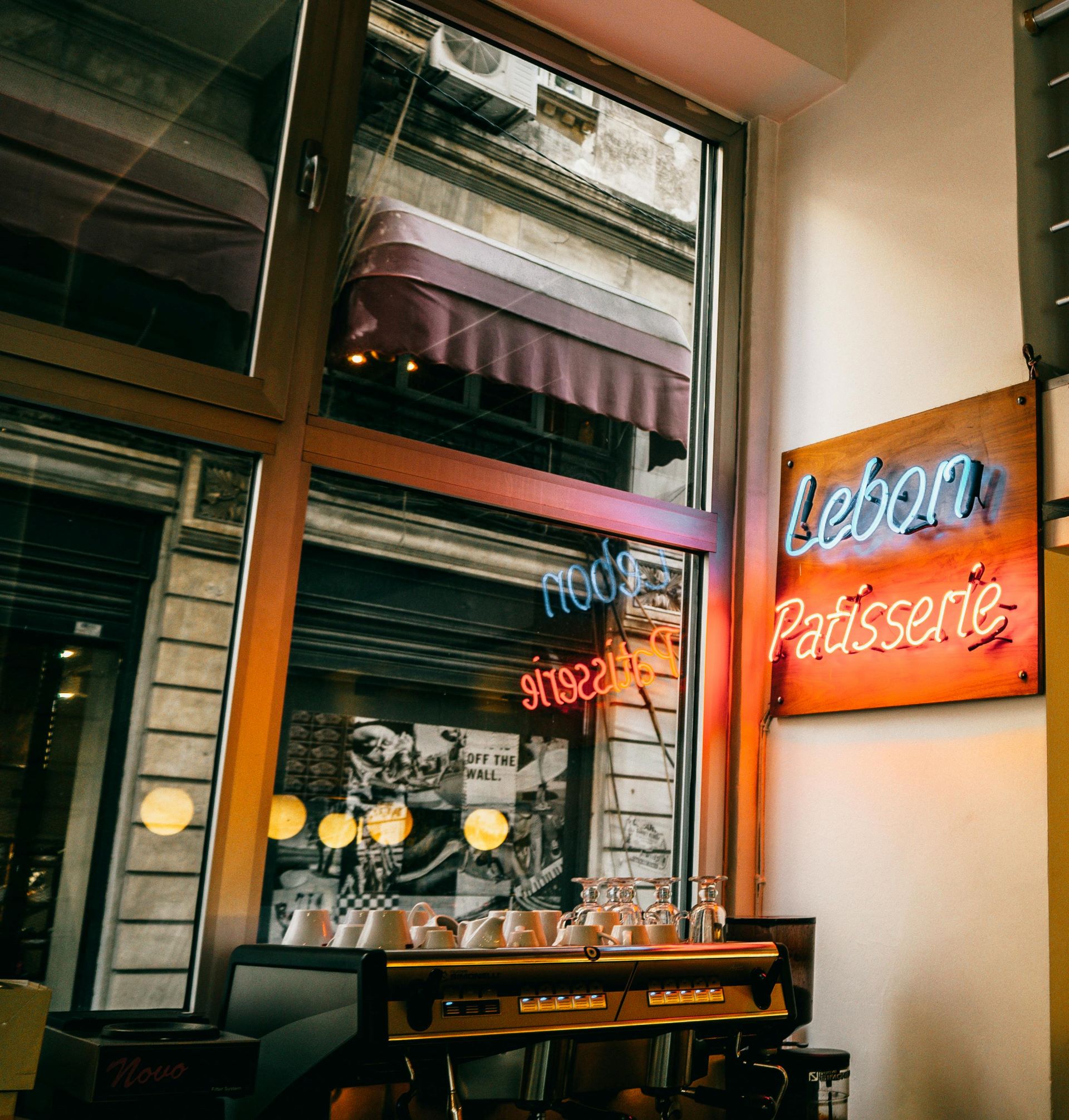
The story of Lebon, which opened its doors in the 1850s, is a narrative that runs parallel to Istanbul's journey of modernization. Every detail, from the interior design to the porcelains, represented an aesthetic understanding never seen before. So much so that the patisserie became known by the phrase, "Chez Lebon, tout est bon", meaning, "Everything is good at Lebon". Lebon, which felt like a piece of Europe with its French dragées, bonbons, chocolates, and an interior adorned with Art Nouveau panels, was a meeting place for many important figures like Ahmet Haşim and Tevfik Fikret.
Lebon Pastanesi maintained its existence in the Passage Oriental (also known as the Şark Aynalı Çarşı Passage) until the 1940s. Although it later moved to its new location on Kumbaracı Yokuşu and handed the banner there to Markiz Pastanesi, its place in Pera's memory was never erased.
Markiz Pastanesi (Markiz Patisserie) (Beyoğlu, 1940)
Markiz Pastanesi's story began in the heart of Pera's modernization period in the early 20th century. Markiz was one of the symbolic venues of Beyoğlu with its high-ceilinged hall and Art Nouveau tiles. It was named "Markiz" in reference to the pastries of the famous Parisian "Marquise de Sevigne". In a short time, it became a place visited not only for eating dessert but also for being seen and remembered; artists and literati preferred it as a meeting place, spending time and having conversations here.
Markiz closed in 1980 when the Şark Aynalı Çarşı Passage was sold, but it was later restored and reopened in 2003. Unfortunately, it continued its existence far from its old glory days and closed permanently in 2016. Frequently mentioned in memoirs, old photographs, and literary works, Markiz holds a very important place among Istanbul's stops that belong to the past but are not forgotten.
Istanbul’s Most Famous Street Foods: A Culinary Guide
Fishing Season Begins: The Best Fish to Enjoy in Autumn
Best Breakfast Restaurants in İzmir

Most Famous Dishes in Sapanca
